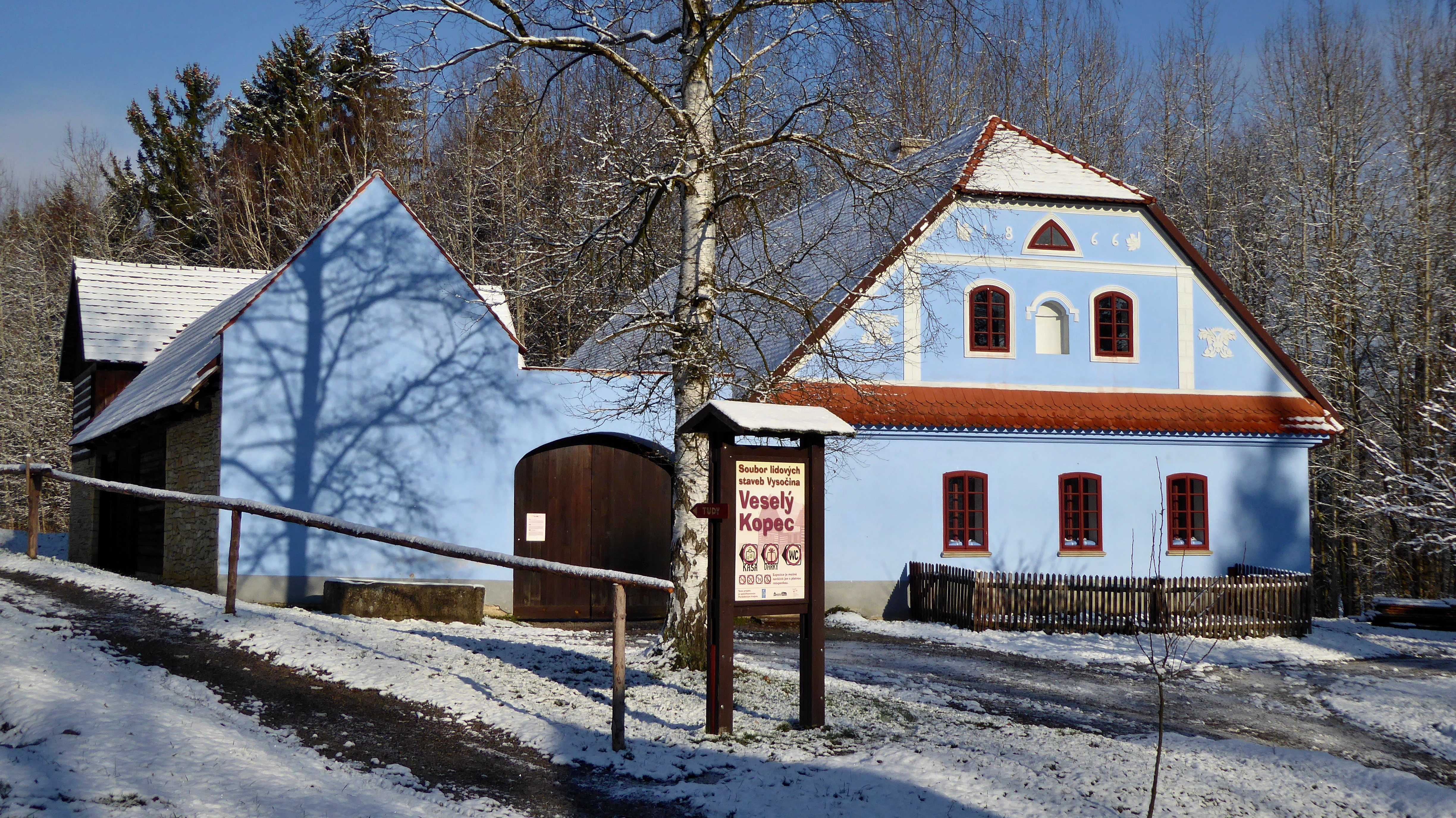
Walking into an old Czech house for the first time, it can be difficult to separate aesthetic wear from genuine structural concern. A coat of flaking plaster, a door that no longer closes, or a sagging ceiling board each tell different stories — and the difference matters considerably when planning a reconstruction budget and timeline. What follows is an outline of how a methodical assessment typically proceeds, drawing on practice common among structural engineers and experienced contractors in the Czech Republic.
Starting With the Site and Building Age
Before entering the building, context helps. The approximate construction period shapes everything from the likely foundation type to the mortar used between bricks. Czech residential buildings from before roughly 1920 were built with shallow rubble or cyclopean foundations, lime-sand mortars, and solid brick or stone walls. Interwar construction (1920–1938) introduced early reinforced concrete in urban buildings while rural areas continued in brick. Post-war buildings used different brick formats and increasingly Portland-cement mortars.
The local authority cadastral office (Katastrální úřad) holds building plans for many older structures, and the National Heritage Institute (NPÚ) maintains records on protected buildings. These records can confirm dates and, in some cases, original construction details that are no longer visible.
External Inspection: Foundations and Walls
Begin outside. Walk the perimeter and look at grade-level conditions. Soil heaped against the wall face accelerates moisture penetration through the masonry. Check whether the land drains away from the building or toward it — standing water against the plinth after rain is a reliable indicator of future rising damp problems.
Reading Cracks
Cracks in external render or masonry are the most readable symptom in old buildings, but their meaning varies:
- Diagonal cracks from door or window corners — typically differential settlement, often historic and stable, but worth monitoring with tell-tale gauges over a season.
- Vertical cracks through mortar joints — can indicate thermal movement or the boundary between different wall sections with differing rigidity.
- Horizontal cracks at floor levels — in cavity or composite walls these can indicate lintel failure or lateral movement, and require closer inspection.
- Step-pattern cracks following mortar joints — characteristic of differential foundation movement; the direction of stepping helps locate which end of the building has settled more.
Cracks wider than 5 mm or showing recent displacement (fresh exposed masonry, no weathering of the crack face) warrant a structural engineer's report before proceeding with any work.

Roof Structure Assessment
Access to the roof void is essential. Czech timber roofs from the early twentieth century and before typically use traditional purlin-rafter systems with ridge boards and collar ties, sometimes without any formal truss. The timbers are usually slow-growth spruce or fir, often still in good condition if the roof covering has remained watertight.
What to Check
- Probe all rafter feet and wall-plate sections with a sharp tool — wood that compresses easily indicates rot, almost always a result of water tracking in at the eaves.
- Look for sagging between purlins, which indicates either overspanning or a loss of bearing at the purlin ends where they sit in the wall.
- Check that ridge and hip members are continuous; spliced repairs with metal plates can indicate earlier undisclosed movement.
- Inspect the relationship between chimney stacks and surrounding timber — clearance requirements are often violated in older buildings, leading to fire risk and concentrated moisture.
Czech standard ČSN EN 1995-1-1 governs timber design for reconstruction; a structural engineer familiar with this standard and with historic construction should assess any roof where movement is visible or where the rafter cross-sections appear undersized by current guidelines.
Internal Walls and Floors
Load-bearing walls in old Czech houses are typically the longitudinal external walls plus one or two internal spine walls running parallel to the ridge. Partition walls added later are usually thinner (65–115 mm) and not load-bearing, though this needs confirmation before any are removed.
Tap internal wall surfaces with a rubber mallet. A hollow sound in localised patches indicates the plaster has de-bonded from the masonry — common and usually acceptable in lime-plastered walls, but a hollow section spanning a large area can indicate the plaster shell is at risk of falling.
Ground-floor solid floors in older Czech rural buildings are frequently compacted earth, sand-lime screed, or early concrete slabs without insulation or damp-proofing. Lifting a small area during the inspection phase avoids surprises later. Rising moisture in floor slabs, combined with wall damp, often points to a high local water table or a historically wet site that requires investigation before reconstruction commitments are made.
Practical note: The Czech Chamber of Authorised Engineers and Technicians (ČKAIT) maintains a public register of authorised structural engineers (autorizovaný inženýr — obor pozemní stavby). Engaging one for a written structural report before purchase or before committing to a reconstruction contract is standard practice on any building over 50 years old.
Moisture and Dampness
Moisture in old masonry presents in three distinct patterns, each with different causes and remedies:
- Rising damp — moisture drawn up by capillary action through the base of walls. The characteristic signature is a tide mark at a consistent height, usually 300–800 mm above floor level, with salt efflorescence and peeling decorations.
- Penetrating damp — water entering through failed render, cracked coping stones, leaking gutters, or poorly detailed window heads. The pattern corresponds to external defects rather than following a horizontal tide mark.
- Condensation — forms on cold surfaces when internal humidity is high. In old buildings with solid walls and limited ventilation, this is more common than it appears in modern houses.
A calibrated pin-type or capacitance moisture meter is useful but not conclusive. Carbide (CM) testing or oven-dry weighing provides more reliable moisture content data when precise figures are needed for specification purposes.
Summary: What an Assessment Should Produce
A complete pre-reconstruction structural assessment should document: foundation type and observable condition, crack patterns with photographs and dimensions, roof structure condition with any areas of rot or movement identified, load-bearing wall identification, floor type and moisture readings, and a list of further investigations required (e.g., trial pits, specialist damp surveys, heritage authority consultation).
This documentation then informs the reconstruction specification, the contractor tender, and any permit applications. Skipping or abbreviating this stage is the most common reason Czech home reconstruction projects exceed budget significantly — issues found during the work are always more expensive to address than issues identified in advance.
Related reading: Choosing Materials for Reconstructing Old Czech Homes and Finding Reliable Tradespeople for Historic Home Renovation.