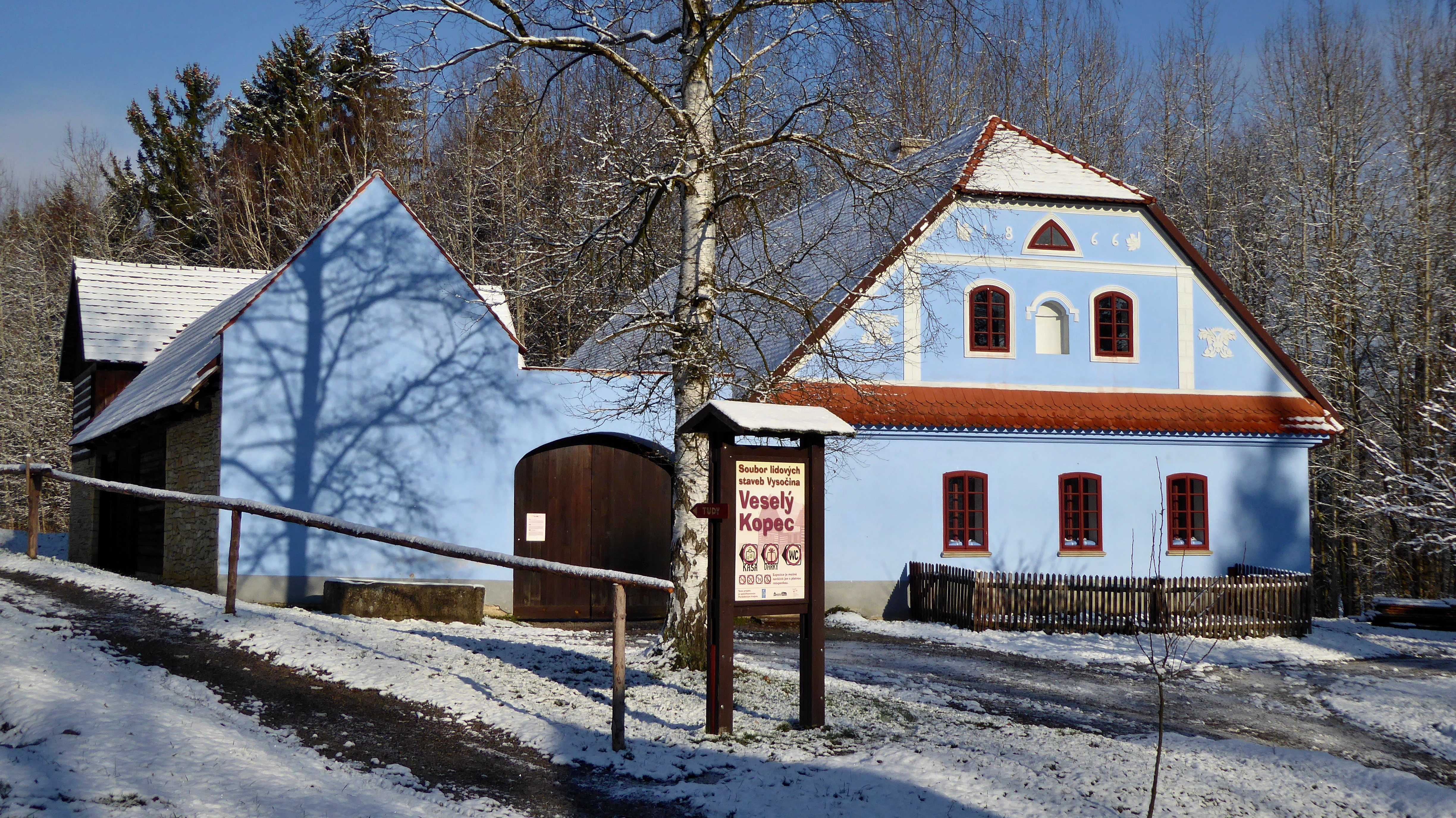
Material selection for the reconstruction of an old building is not simply a question of durability or cost — it is a question of compatibility. Old masonry construction in the Czech Republic was designed around soft, flexible lime-based materials. Introducing rigid, impermeable modern products into that system causes problems that can take years to manifest but are costly to correct. This piece looks at the most common material choices and the considerations that should guide each decision.
The Lime Compatibility Principle
Czech buildings constructed before approximately 1950 used lime in some form for almost every component: foundation mortar, bedding mortar, render, internal plaster, and limewash finishes. Lime has mechanical properties that suit old masonry: it is softer than brick or stone, so it accommodates seasonal movement by micro-cracking in the mortar joints rather than through the masonry units themselves; it is vapour-permeable, allowing walls to breathe; and it is self-healing to a degree through carbonation.
Portland cement mortars are harder, less permeable, and adhere more strongly to masonry than lime. When used in old brickwork, they transfer stress into the brick rather than the joint. Moisture trapped behind impermeable renders accelerates freeze-thaw spalling. This is not theoretical — it is visible on virtually every urban Czech building where cement renders were applied over lime-bonded brickwork in the 1970s and 1980s.
The baseline recommendation from conservation specialists at NPÚ and in Czech technical standards (ČSN EN 998-1 covers masonry mortars) is to match or closely approximate the original material properties when repairing historic fabric.
Plasters and Renders
Lime Plaster (vápenná omítka)
Traditional two-coat or three-coat lime plaster — a coarse scratch coat (hrubá omítka) followed by a finish coat (jemná omítka) — remains appropriate for most internal work in pre-1950 buildings. It can be applied over original lime plaster where that plaster is still bonded, or over clean masonry where it has been removed. Curing time is longer than gypsum or cement-based alternatives, and it requires some humidity during carbonation, but the resulting surface is durable and repairable over decades.
Hydraulic lime renders (NHL — natural hydraulic lime, classified by strength as NHL 2, NHL 3.5, or NHL 5) are used for external work where greater resistance to rain is needed. NHL 3.5 is generally appropriate for exposed south and west elevations in Czech conditions; NHL 2 suits sheltered walls and interiors.
Renovation Plasters (sanierputze)
Where walls carry persistent moisture and soluble salts, renovation plasters — porous lime-cement or lime-based renders with a specific pore structure — allow salt crystallisation to occur within the render body rather than at the surface. German standards (WTA Merkblatt 2-9) have influenced Czech practice here; several manufacturers supply these products through Czech distributors, including Baumit and Remmers.

Brick and Stone
Matching Existing Brickwork
If partial wall sections need rebuilding or if significant areas of facing brick require replacement, sourcing matching brick dimensions matters. Czech historic brickwork uses non-standard formats by current norms: imperial formats (290 × 140 × 65 mm) from the Austro-Hungarian period are still found, as are early 20th-century Czech sizes. Salvage yards (sběrné dvory stavebního materiálu) sometimes stock reclaimed bricks in these formats; specialist suppliers also produce new bricks to order in heritage dimensions.
For structural infill not visible on finished surfaces, any solid clay brick of appropriate compressive class can be used, provided it is bedded in a lime-compatible mortar rather than pure Portland cement.
Natural Stone
Stone-built or stone-founded houses are more common in some regions — the Šumava foothills, North Bohemia, and parts of Moravia. Where stone walling needs repair, the original stone type should be identified: sandstone, marlite limestone, and granite are common and each has different porosity and weathering characteristics. Point or patch repairs with hydraulic lime mortar are usually appropriate; full repointing requires careful specification of mortar strength to avoid damaging the stone faces.
Insulation
Adding thermal insulation to old buildings is one of the most contested areas in Czech reconstruction practice, partly because external insulation systems (ETICS, commonly known as zateplení) became widespread in the 1990s–2010s on historic buildings where they were inappropriate. External polystyrene insulation on an old solid-wall building eliminates the wall's ability to absorb and release moisture, shifts the dew point into a damaging position, and removes the character of original moulded render details.
Interior Insulation
For historic buildings, interior insulation is often the only option that preserves external character. Mineral wool boards (kamenná vlna) or calcium silicate boards (e.g., Multipor or Knauf Calsilex) have higher vapour permeability than polystyrene and perform better in older masonry contexts. Correct vapour analysis — using software tools such as U-Wert.net or the Glaser method under ČSN EN ISO 13788 — should precede specification to confirm there is no condensation risk at the insulation-masonry interface.
Natural Insulation Materials
Hemp wool (konopná izolace), sheep's wool, and wood fibre boards (dřevovláknitá deska) are all used in Czech renovation practice, particularly in rural and ecological construction. Their vapour permeability and hygroscopic buffering make them well suited to old masonry buildings. Costs are higher than mineral wool, but lifecycle performance in compatible conditions is competitive. Suppliers include Konopí-izolace and Steico.
Cost indication: In 2025–2026 Czech pricing, NHL 3.5 hydraulic lime render materials cost approximately 18–28 Kč/kg from wholesalers. Labour for traditional three-coat lime plastering runs roughly 450–650 Kč/m² depending on region and surface condition. Both figures are noticeably higher than cement-based equivalents — the difference reflects the additional application time and skill required.
Windows and Joinery
Historic timber windows were typically single or double-casement with slim profiles, often with original glass of slight optical imperfection. Modern PVC or aluminium replacements rarely match these proportions and can look incongruous. For buildings under monument protection, replacement units must be approved by the heritage office and usually need to replicate original profiles.
Timber windows from Czech producers such as Slavona offer modern double or triple glazing in slim traditional profiles. The upfront cost is higher than PVC, but timber is repairable and more sympathetic to old masonry detailing. Where original windows are structurally sound, draught-sealing, secondary glazing, or replacement of single panes with heritage-matched double-glazed units are alternatives that preserve the original fabric.
Summary Considerations
Each material decision in an old-building reconstruction involves a trade-off between performance, cost, authenticity, and long-term building health. The principle that guides most of these choices consistently: materials added to an old building should be softer, more permeable, and more flexible than the original fabric — not harder, more impermeable, or stronger. That principle, well understood in Czech conservation circles but not always followed in general contracting, is the basis of durable and respectful reconstruction work.
Related reading: How to Assess the Structural Condition of an Old House and Finding Reliable Tradespeople for Historic Home Renovation.