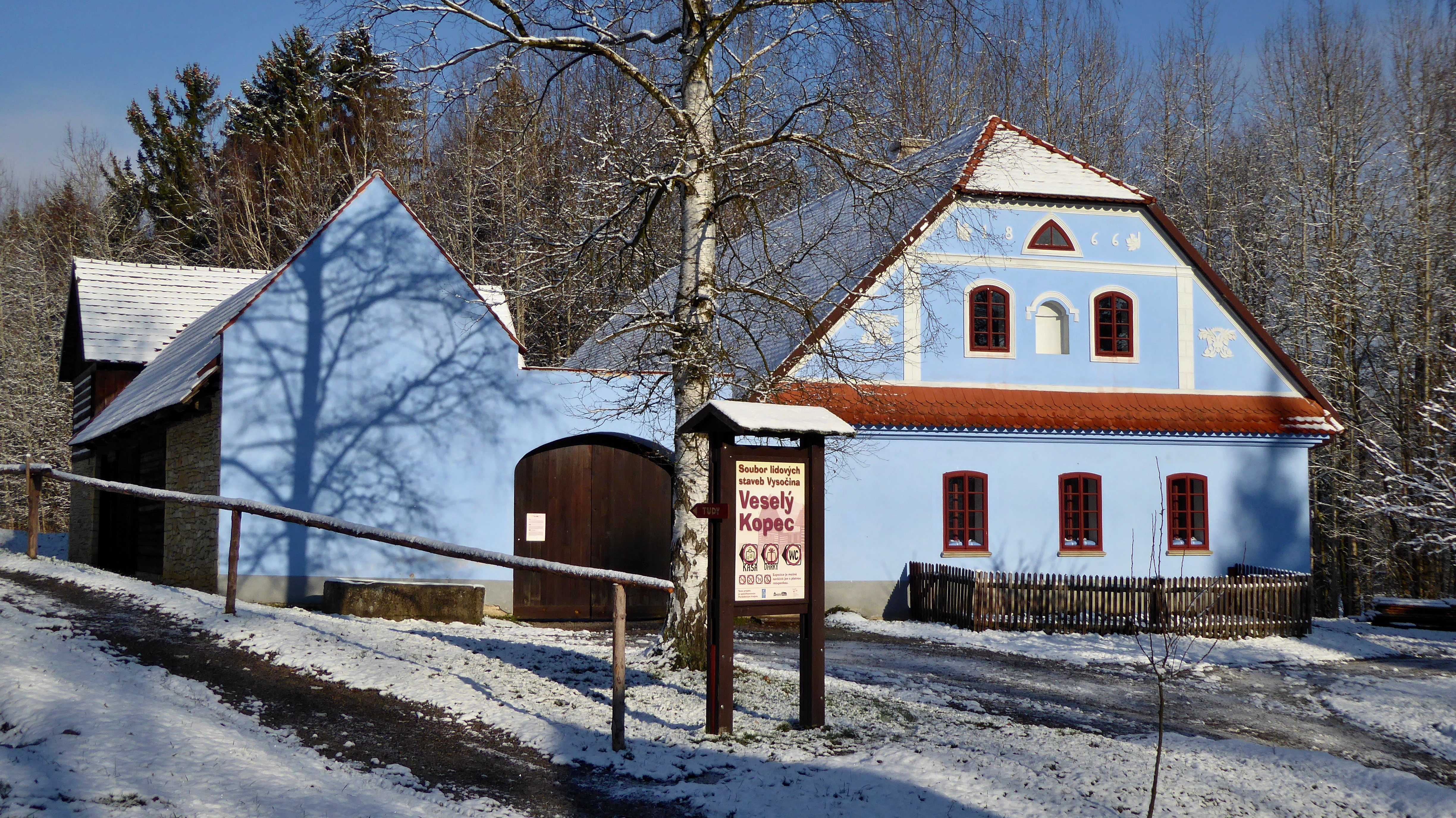
Finding a contractor for a standard new-build is one task; finding a contractor genuinely capable of working on an old Czech house — one built with lime mortars, hand-made bricks, and timber carpentry that no longer matches any current catalogue — is considerably more involved. The market for reconstruction work in the Czech Republic is large and growing, but the subset of that market with real competence in historic building methods is much smaller. Understanding where to look, what to look for, and what to ask in an initial conversation saves significant time and protects against expensive errors.
Why Specialist Knowledge Matters
General contractors building new residential construction are experienced with Portland cement mortars, gypsum board, and rigid thermal insulation. These materials dominate current construction and their use has become reflexive. On an old building, applying those same materials without adaptation causes the problems described in the materials selection article: trapped moisture, spalling masonry, cracked impermeable renders.
A contractor who has worked extensively on pre-1950 Czech buildings understands, at minimum, why the mortar specification needs to match the original and why Portland cement renders should not be applied over lime-bonded brickwork. This is not advanced knowledge — it is the baseline. But it is not universally present, and asking about it in a first conversation quickly indicates whether a contractor has relevant experience or not.
Registers and Professional Bodies
ČKAIT — Czech Chamber of Authorised Engineers
The Czech Chamber of Authorised Engineers and Technicians in Construction (ČKAIT) maintains a public register of authorised persons (autorizované osoby). For structural work on any building, the project documentation must be prepared or supervised by an authorised engineer. Searching the register by specialisation (pozemní stavby — civil buildings) and by region provides a list of qualified individuals. While registration does not guarantee experience with historic buildings specifically, it confirms formal qualification and professional accountability.
NPÚ — National Heritage Institute
For buildings protected under Czech monument law, the National Heritage Institute (NPÚ) has regional offices across the country. These offices interact with contractors applying for work permits on protected buildings and, informally, tend to be aware of which local firms do satisfactory work. Regional NPÚ offices are not a formal contractor referral service, but a direct enquiry to the relevant regional office is sometimes productive, particularly in areas with a concentration of historic buildings such as South Bohemia, Moravia, or the historic mining regions of North Bohemia.
Společnost pro technologie ochrany památek (STOP)
The STOP association, operating under the NPÚ umbrella, focuses on conservation technology and connects specialists working in this field. Membership implies engagement with conservation practice rather than general construction, and the network includes conservators, restoration specialists, and technically focused contractors.

Craft Guilds and Trade Associations
Several Czech trade associations cover the craft specialisations most relevant to old building reconstruction:
- Cech kamnářů ČR — the Czech Stove-makers Guild, relevant for work on historic tile stoves (kachlová kamna) and masonry heating systems common in older Czech homes.
- Asociace tesařů ČR — the Czech Carpenters' Association. Timber roof structures and historic joinery fall within their scope; member directories are searchable by region.
- Cech truhlářů ČR — the Czech Joiners' Guild, covering window and door joinery. Relevant where historic timber windows are being replicated or repaired.
- Svaz podnikatelů ve stavebnictví (SPS) — the construction industry association, which maintains a member directory searchable by trade and region. While not specific to historic work, it provides a verified contractor list useful as a starting point.
What to Ask a Contractor
Once a shortlist of three or more contractors has been assembled for tendering, the initial conversation — before any formal tender is issued — is diagnostic. Useful questions include:
- Have you worked on buildings of this period before? Ask for specific examples and, where possible, references from those projects. A contractor who has completed five similar projects in the last three years is more informative than one who mentions a single project from ten years ago.
- What mortar specification would you use for repointing these joints? A correct answer involves lime-based mortar matched to the existing joint composition. An answer that defaults to cement or does not engage with the question is informative.
- Who prepares the structural documentation, and are they authorised? Any structural work requires authorised documentation under Czech building law (stavební zákon). If a contractor cannot identify the authorised engineer they work with, that is a gap.
- Are there aspects of this project you would subcontract, and to whom? Specialist work — lime plastering, stone masonry, historic timber carpentry — is sometimes subcontracted even by competent main contractors. Knowing who those subcontractors are and what their experience is matters as much as the main contractor's credentials.
- What do you see as the main risk on this project? An experienced contractor on old buildings will identify the same issues that appeared in a thorough structural assessment: moisture management, mortar compatibility, unknown conditions behind walls or under floors. A generic answer about timelines or weather suggests less specific experience.
Reference checks: Czech client-to-contractor reference culture is less formalised than in some other countries. Contractors may offer references reluctantly. However, for a project of significant value, requesting site visits to completed comparable projects — with the former clients' consent — is entirely reasonable, and a contractor comfortable with that request is generally more confident in their work quality than one who resists it.
Tendering and Contract Basics
Czech reconstruction projects for private homeowners typically proceed on one of two bases: a fixed-price contract (smlouva o dílo za cenu pevnou) or a cost-plus arrangement with an agreed margin (režijní cena). For old buildings, fixed-price contracts require very detailed specifications and carry risk for both parties when unknown conditions are encountered — which they frequently are. Cost-plus arrangements provide flexibility but require active owner involvement in monitoring costs.
Regardless of contract type, the written contract (smlouva o dílo, governed by zákon č. 89/2012 Sb., the Civil Code) should specify the scope of work, materials and their specification, payment milestones, defect liability period (záruční doba, typically 3–5 years for construction work), and the process for agreeing changes to scope. A contract prepared or reviewed by a construction lawyer (stavební právník) is worthwhile on any project exceeding roughly 500,000 Kč.
Finding Craftspeople for Specialist Work
Below the contractor level, certain elements of old-building reconstruction require individual craftspeople whose skills are not standard in the general construction market:
- Lime plasterers — three-coat lime plaster application is a skill that was not taught in Czech vocational construction education for several decades. It is experiencing a modest revival through short-course training offered by organisations such as Tradice and through direct apprenticeship with older craftspeople. Regional heritage offices sometimes know of practitioners in their area.
- Stone masons (kameník) — point repairs and rebuilding of stone elements, particularly corbels, quoins, and window surrounds, require masons experienced with the specific stone type. The Řemeslnická komora ČR (Craft Chamber) maintains trade listings.
- Heritage carpenters (tesař — historické konstrukce) — roof repair and the fabrication of replacement joinery elements in period-appropriate wood species and profiles. Less common than general carpenters; the Asociace tesařů is the most direct route to finding them.
Timeline Expectations
Qualified tradespeople for historic building work are booked several months in advance in most Czech regions, particularly in Bohemia. Beginning the search for contractors and craftspeople at least six months before the intended construction start — and ideally longer for complex or protected buildings — reflects current market conditions rather than excessive caution. The alternative, engaging whoever is available at short notice, frequently means accepting contractors whose experience does not match the work.
Related reading: How to Assess the Structural Condition of an Old House and Choosing Materials for Reconstructing Old Czech Homes.

